‘Why Is Maharana Pratap’s Song Playing Over a Gangster Scene?’: Delhi HC Questions ‘Mirzapur: The Movie’ Makers
Mirzapur: The Movie faces controversy over the use of ‘Shoorveer’, a song associated with Maharana Pratap, in a gangster sequence. The Delhi High Court has questioned the filmmakers over its use.
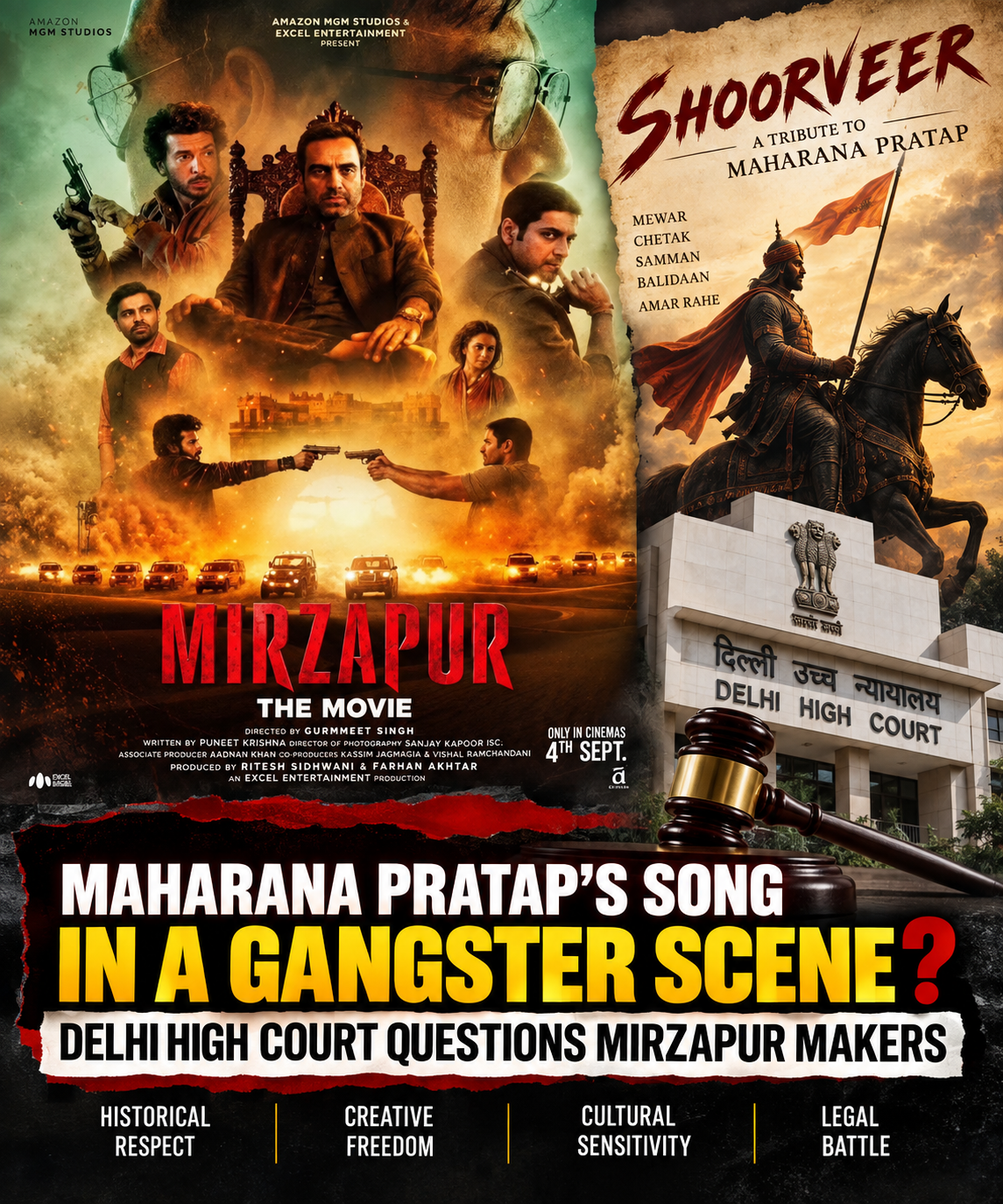
New Delhi: Mirzapur: The Movie has found itself at the centre of a fresh controversy, this time over the use of ‘Shoorveer’, a song associated with Maharana Pratap, in a sequence involving the film’s fictional underworld characters.
The controversy has now reached the Delhi High Court, where the bench questioned the filmmakers’ lawyer about the appropriateness of using a song created as a tribute to Maharana Pratap in such a cinematic context. The court even asked the lawyer to watch the film and return with his response.
What is the ‘Shoorveer’ controversy?
‘Shoorveer’ is associated with Rajasthani artist Rapperiya Baalam and was created as a tribute to Maharana Pratap. The song celebrates themes linked to the warrior king, including his courage, Mewar, Chetak, honour and sacrifice.
The controversy began after the song was used in Mirzapur: The Movie in a sequence featuring the fictional criminal world of the franchise.
The petitioner has argued that placing a song dedicated to a revered historical figure against a backdrop involving fictional gangsters could distort its original cultural context and create an inappropriate association.
What did the Delhi High Court say?
During the hearing, the court questioned the lawyer representing the film's producers about whether he had actually watched the film.
The lawyer said he had not seen it. The court then asked him to watch the film before appearing again.
The bench also questioned whether he was satisfied with the use of the song in the particular sequence, raising the larger issue of how a culturally significant song should be presented alongside scenes depicting criminal characters.
At the same time, the court was careful not to give a final ruling on whether the filmmakers had crossed a legal or artistic line. The bench discussed the tension between artistic freedom and concerns over cultural representation, observing that the appropriate government authorities may have to consider the issue.
PIL sought removal of the song
The matter came before the Delhi High Court through a Public Interest Litigation filed by Prashant Kumar Singh.
The petition seeks the removal or replacement of ‘Shoorveer’ from the film's climax. It also raises a broader question about whether there should be clearer guidelines governing the use of songs, symbols and creative material associated with historically and culturally significant personalities.
The plea argues that such material should not be presented in a manner that could create an undesirable association between a respected historical personality and criminal or anti-social conduct.
The controversy is bigger than just one song
At its heart, the case raises an interesting question for Indian cinema:
How far can filmmakers go when re-contextualising an existing cultural or historical work?
Filmmakers routinely use songs, poetry, mythology, historical references and cultural symbols in completely new contexts. Supporters of creative freedom could argue that the meaning of a song can change depending on how it is used within a story.
However, critics argue that when a song is specifically associated with a revered historical personality, placing it alongside fictional criminals can alter the way audiences perceive its original meaning.
That tension between creative liberty and cultural sensitivity is likely to remain at the centre of the dispute.
There is also a copyright and credit controversy
The legal dispute is not limited to the song's association with Maharana Pratap.
Rapperiya Baalam had earlier alleged that the song was used in the film without his permission and that he was not appropriately credited. The music label involved in the song's release, however, has disputed aspects of his claim and said that the track had been licensed for use in the film.
This has therefore created two separate questions around the same track—one concerning its cultural context and the other concerning its licensing and rights.
Rajasthan BJP leader had also demanded removal
Before the matter reached the latest stage in the Delhi High Court, Rajasthan BJP leader and former Leader of Opposition Rajendra Rathore had objected to the song's use in the film.
He had approached the CBFC, arguing that a song celebrating Maharana Pratap's valour should not be associated with the criminal world portrayed in Mirzapur.
The objection added a political and cultural dimension to an issue that had initially emerged as a dispute over the use of a song.
CBFC says the song will be replaced
The controversy has already resulted in a significant development.
The Central Board of Film Certification said that it had received several concerns regarding ‘Shoorveer’. Excel Entertainment subsequently informed the CBFC that it would voluntarily replace the song from the relevant sequence, subject to the completion of formalities.
This means the controversy is no longer merely a demand from petitioners or critics—the filmmakers have indicated that the song will be changed in the disputed portion of the film.
Why this matters for Bollywood
The Mirzapur controversy could have implications beyond this particular film.
Indian cinema has increasingly experimented with real historical figures, cultural references and existing music within fictional narratives. At the same time, audiences and interest groups have become increasingly vocal about how such references are represented.
The case could therefore reignite a familiar debate:
Where does creative freedom end and cultural responsibility begin?
The Delhi High Court has so far stopped short of deciding that question. Instead, it has asked the concerned parties to examine the material and has pointed towards the role of the government and certification authorities in dealing with such concerns.
What happens next?
For now, Excel Entertainment has indicated that ‘Shoorveer’ will be voluntarily replaced from the relevant sequence after the required formalities.
The Delhi High Court is also continuing to examine the matter. The immediate controversy may therefore be resolved through the song's replacement, but the larger debate over historical references, cultural sensitivity and creative freedom in Indian cinema is unlikely to disappear anytime soon.
And that is what makes the Mirzapur: The Movie controversy more significant than a dispute over a single background track—it raises a much larger question about how popular cinema should handle cultural symbols when placing them inside fictional worlds.
Loved this story? Share with your friends!
Spread the word across your favorite social networks.
Rajni
Official editorial writer covering cinema box office, OTT streaming releases, Bollywood & Hollywood news, and pop culture for OnscreenBuzz.com.
🔥 Related Articles & Recommended Stories
More stories from Bollywood
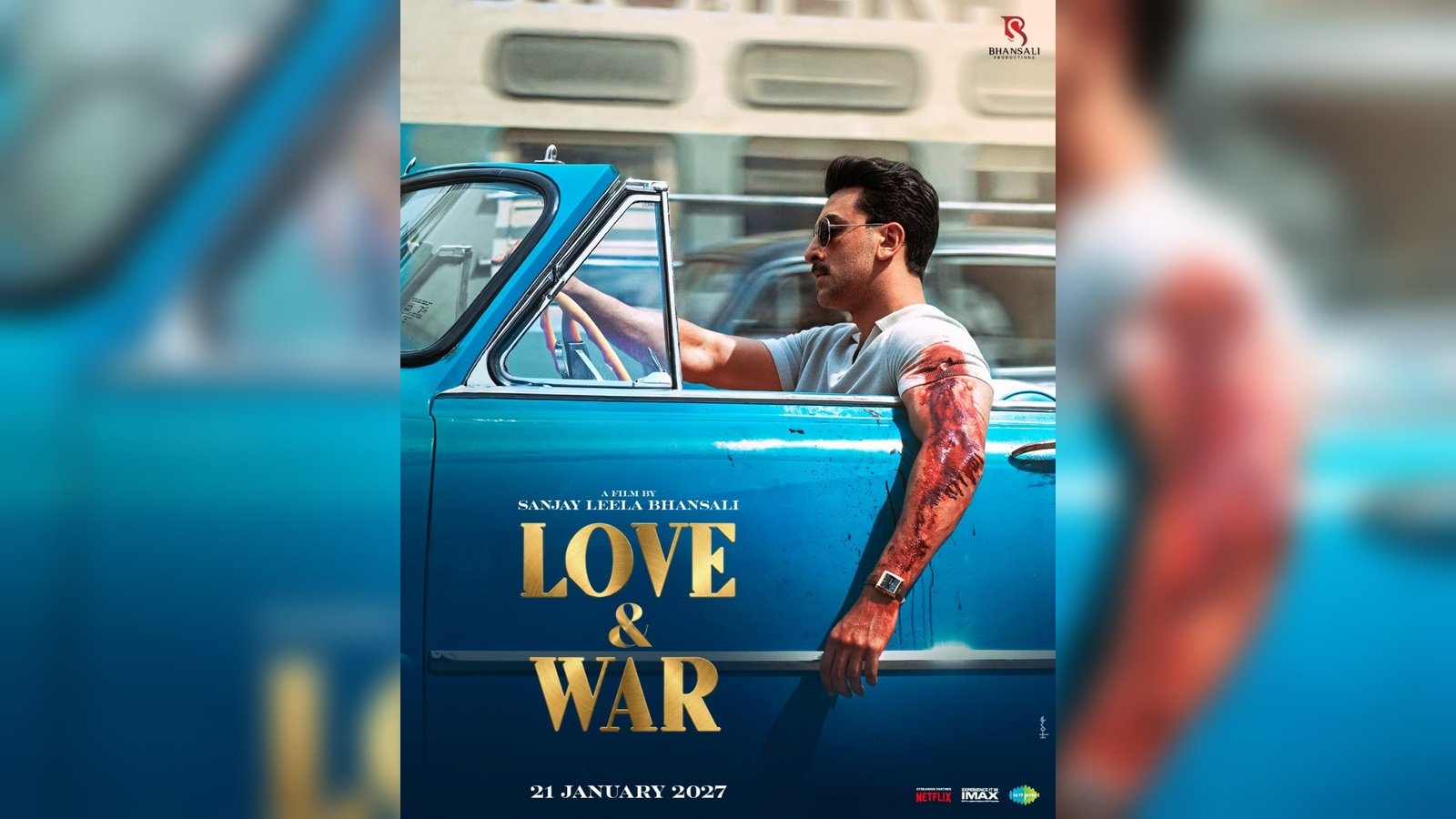
Ranbir Kapoor’s ‘Love & War’ First Look Is Here! Bloodied Arm, Vintage Car and Retro Avatar Leave Fans Full of Questions
Ranbir Kapoor’s first look from Sanjay Leela Bhansali’s ‘Love & War’ is finally here. His vintage avatar, sunglasses and bloodied arm have left fans wondering what happened to his character.
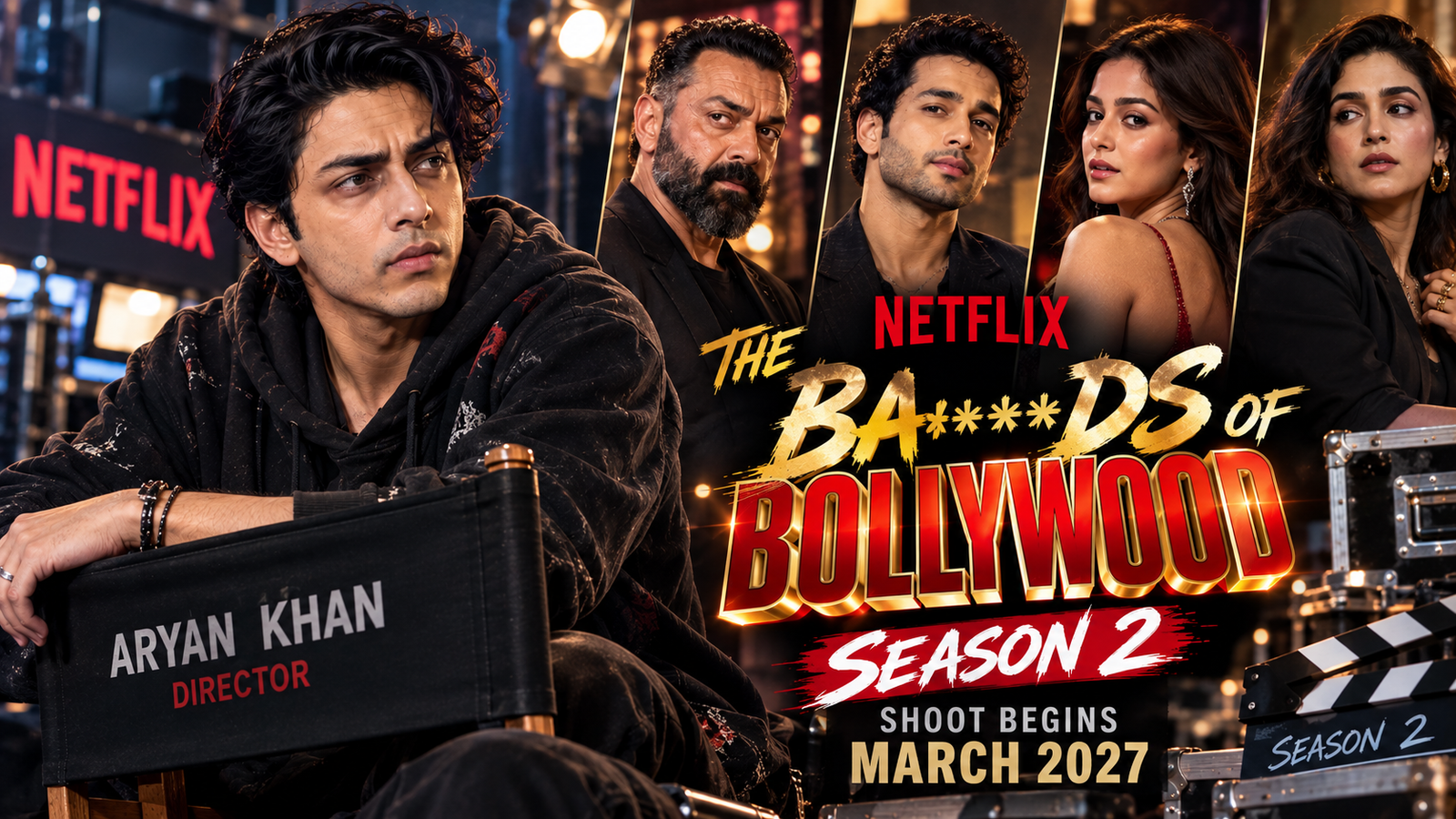
Aryan Khan Is Bringing ‘The Ba***ds of Bollywood’ Back! Season 2 Reportedly Goes on Floors in March 2027, Original Cast Set to Return
Aryan Khan’s ‘The Ba***ds of Bollywood’ is reportedly returning for Season 2, with production expected to begin in March 2027 and the original recurring cast set to return.
Ayushmann Khurrana Forgets He’s a Pakistani Spy and Starts Fighting for India! ‘Udta Teer’ Trailer Serves a Wild Mix of Spies, Memory Loss and Madness
Ayushmann Khurrana plays a Pakistani spy who loses his memory and starts believing he is an Indian intelligence officer in ‘Udta Teer’. Here’s everything revealed by the new trailer.
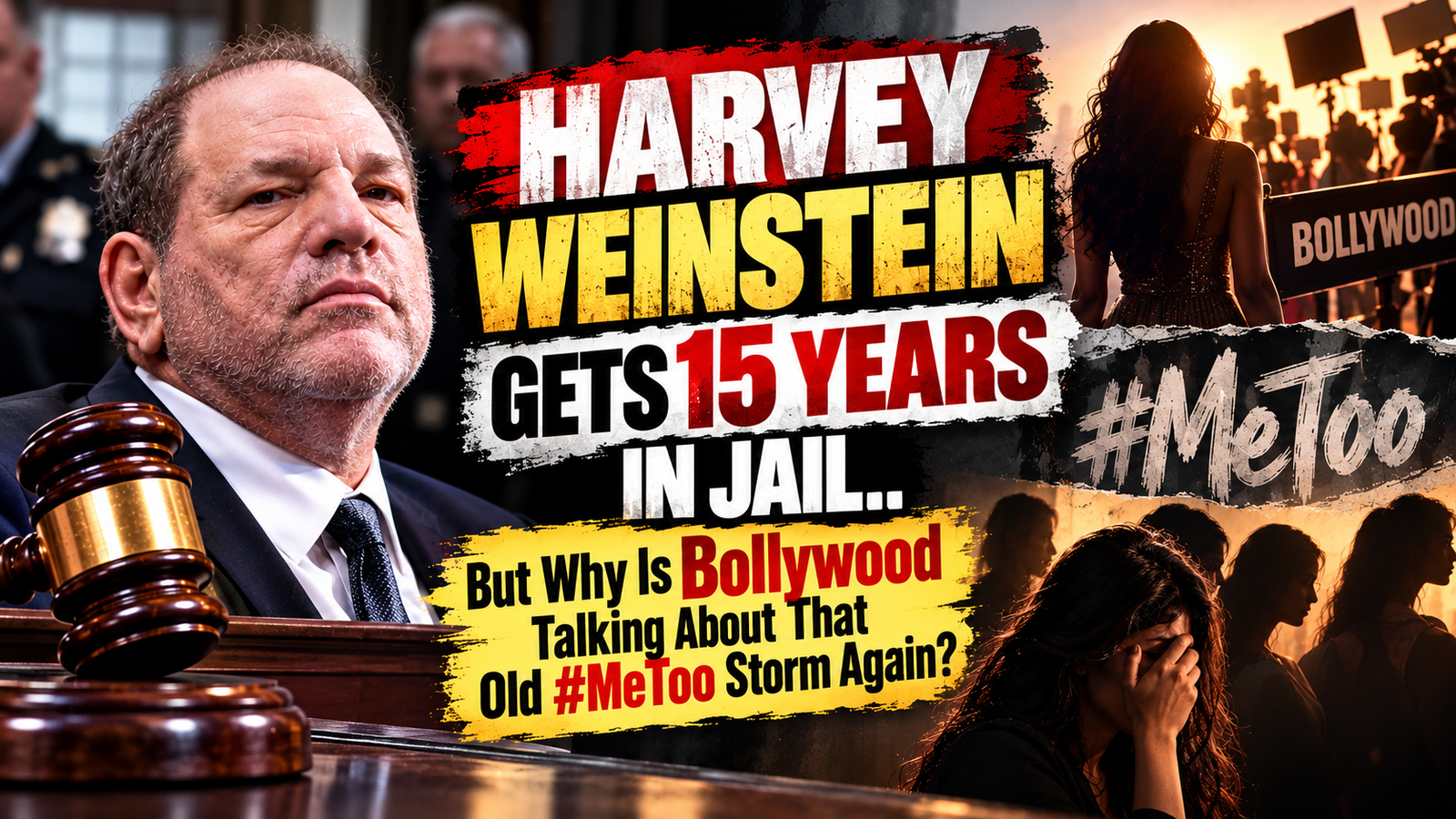
Harvey Weinstein Gets 15 Years in Jail… But Why Is Bollywood Suddenly Talking About That Old #MeToo Storm Again?
Harvey Weinstein's 15-year prison sentence has brought the #MeToo movement back into focus. Here's how the Hollywood scandal connects with Bollywood's 2018 #MeToo wave and India's wider conversation around workplace harassment.